Prevent Winter Windshield Damage: Essential Cold Weather Car Care and Glass Protection Strategies
As temperatures plummet and winter weather sets in, your vehicle’s windshield faces its most challenging season. The combination of sub-zero temperatures, freezing rain, and thermal stress creates the perfect conditions for glass damage that can compromise both your safety and your wallet. Understanding how to prevent winter windshield damage during these harsh months is not just about convenience—it’s about maintaining the structural integrity of a critical safety feature that provides up to 45% of your vehicle’s cabin strength.
Winter windshield damage costs drivers billions annually in repairs and replacements, yet most of this expense is preventable with proper knowledge and proactive maintenance. Whether you’re facing arctic conditions or moderate cold weather, implementing the right protective strategies can extend your windshield’s longevity and keep you safe on winter roads.
Understanding Thermal Stress and Temperature Fluctuation Effects on Auto Glass
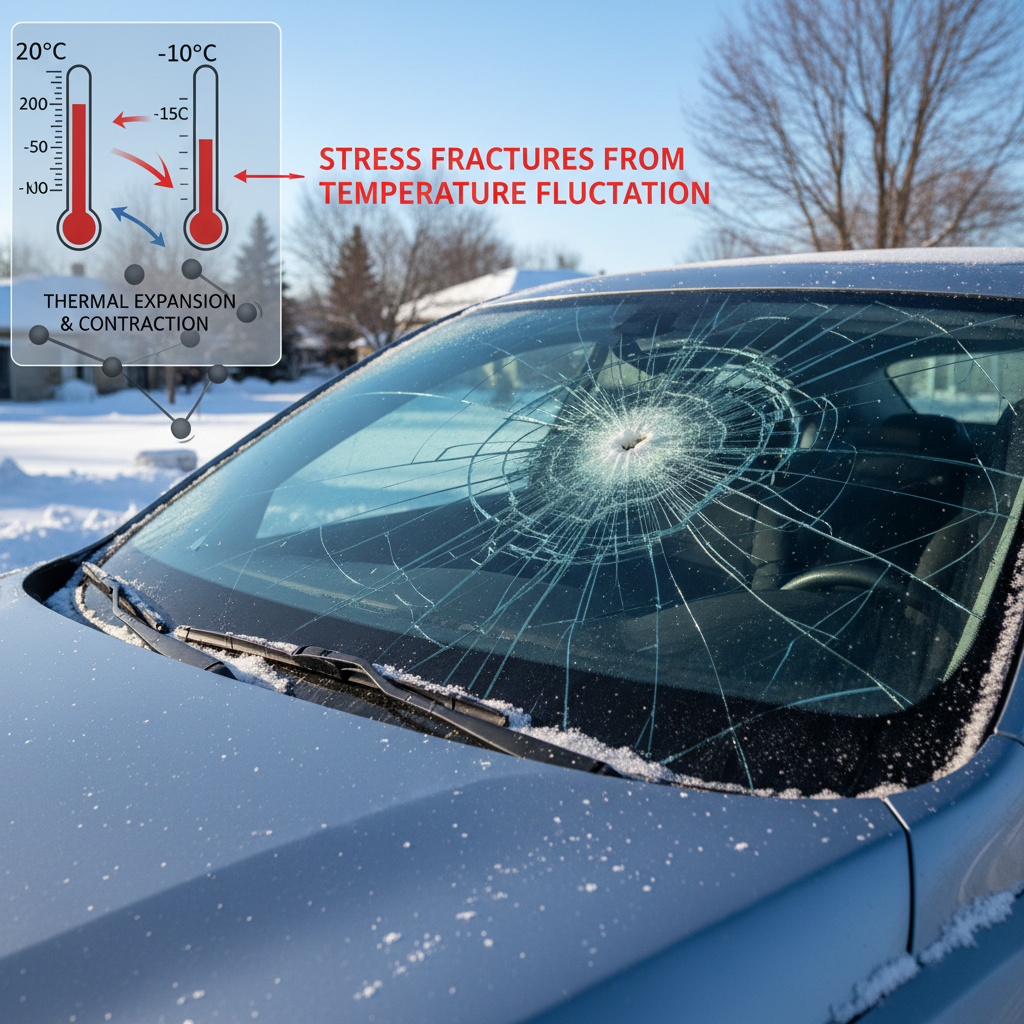
Your windshield is constructed from laminated glass—two layers of glass bonded together with a polyvinyl butyral (PVB) layer between them. While this construction provides excellent strength and prevents shattering, it remains vulnerable to thermal expansion and contraction during extreme weather events.
When your windshield experiences rapid temperature changes, the glass expands and contracts at different rates across its surface. This phenomenon, known as thermal shock, creates stress fractures that can quickly develop into spider cracks, bullseye cracks, or star breaks. The temperature differential between your vehicle’s warm interior and the frigid exterior during cold climate conditions places enormous strain on existing rock chips or minor imperfections.
How Freeze-Thaw Cycles Compromise Glass Integrity
The freeze-thaw cycle represents one of winter’s most insidious threats to windshield durability. When moisture infiltrates tiny chips or cracks, it expands by approximately 9% as it freezes. This expansion forces the crack to widen, accelerating damage propagation. Over repeated cycles throughout the winter months, a barely visible chip can transform into a crack requiring complete windshield replacement.
The National Highway Traffic Safety Administration (NHTSA) emphasizes that compromised windshields significantly reduce vehicle protection during collisions. The Auto Glass Safety Council recommends addressing any glass damage immediately—especially before winter conditions worsen existing problems.
Windshield Washer Fluid and Defroster: Your First Line of Defense
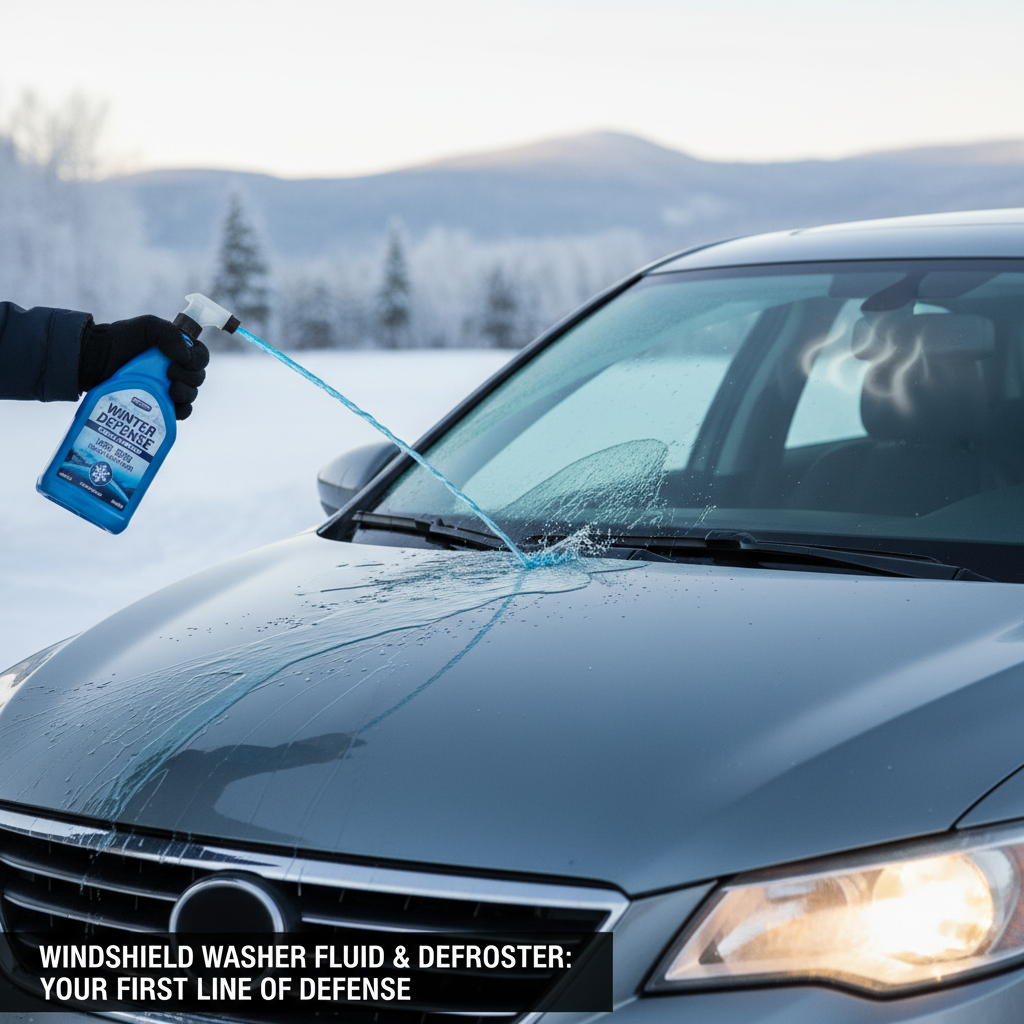
Proper windshield maintenance begins with selecting the right winter-grade products and understanding safe defrosting practices. Many drivers unknowingly damage their windshields by using incorrect fluids or improper heating techniques.
Selecting Appropriate Antifreeze and Winter Washer Fluid
Never use summer-grade windshield washer fluid during freezing temperatures. Standard fluids freeze around 32°F, potentially damaging your washer fluid reservoir and windshield washer nozzle. Winter formulations containing methanol, ethanol, or isopropanol lower the freezing point to -20°F or even -40°F for extreme cold climates.
Check the temperature rating on your washer fluid and match it to your region’s typical minimum temperatures. Remember that wind chill factor while driving can effectively lower the fluid’s performance, so selecting a fluid rated 10-15 degrees below your area’s coldest temperatures provides additional protection.
Safe Defrosting Methods and Gradual Heating
The most common mistake drivers make is blasting their defroster on maximum heat immediately after starting their vehicle. This creates dangerous thermal shock by rapidly heating the interior surface while the exterior remains frozen. Instead, follow these safe windshield warming methods:
- Start your engine and allow 30-60 seconds of engine warm-up before activating any heating
- Begin with the defrost setting on low or medium heat
- Gradually increase heat intensity over 5-10 minutes
- Never use hot water on frozen windshields—use lukewarm water if necessary
- Ensure proper air circulation by slightly opening windows to prevent condensation
This gradual temperature change prevents stress fractures and protects your windshield’s structural support capabilities while maintaining heating element functionality.
Ice Scraper Techniques and Safe Snow Removal for Glass Protection
Improper ice removal causes thousands of preventable windshield damage cases annually. Your ice scraper selection and technique directly impact glass protection during winter weather.
Proper Tool Selection: Avoiding Metal Scraper Risks
Always use a plastic blade ice scraper or foam scraper designed specifically for auto glass. Metal scrapers, credit cards, or improvised tools can create microscopic scratches that compromise glass integrity and reduce visibility. Quality scrapers feature ergonomic handles that prevent excessive pressure and comfortable grips for better control.
Consider specialized tools like snow brushes with extendable handles for efficient snow accumulation removal without reaching across the windshield. The less you lean against the glass during cleaning, the lower your risk of applying pressure to vulnerable areas.
Safe Scraping Methods and Ice Buildup Prevention
Begin ice removal from the top center of your windshield, working downward in straight motions parallel to the wiper blade path. Avoid circular motions or scraping at angles, which can catch on imperfections and extend existing chips. Never scrape against the windshield frame or rubber seals, as these areas collect debris that can scratch the glass.
For stubborn ice buildup, apply an alcohol-based solution or commercial de-icer spray and allow 2-3 minutes for chemical penetration before scraping. You can also create an effective homemade solution using a vinegar solution (two parts vinegar to one part water) applied the night before as pre-treatment.
Windshield Covers and Parking Strategy for Overnight Protection
Your parking strategy represents one of the most effective preventive measures for winter windshield protection. Strategic parking and physical barriers dramatically reduce frost prevention needs and thermal cycling exposure.
Garage, Carport, and Sheltered Parking Benefits
Whenever possible, utilize garage parking to completely eliminate frost, snow load weight, and freezing rain exposure. Garages maintain temperatures typically 20-40 degrees warmer than outdoor conditions, preventing the freeze-thaw cycles that compromise glass. Even carport parking or parking under structures provides partial temperature regulation and shields against precipitation impact.
If sheltered parking isn’t available, select parking spots considering sun exposure. Morning sun on east-facing spaces provides natural gradual warming, reducing defrost time and thermal stress.
Windshield Cover Usage and Protective Barriers
Quality windshield covers provide exceptional overnight protection by creating an insulation barrier between your glass and winter elements. When selecting covers, choose products specifically designed for automotive use with secure attachment points that prevent wind displacement.
Installation tips for maximum effectiveness:
- Ensure the windshield is completely dry before application to prevent moisture intrusion
- Tuck edges into doors or use magnetic strips for secure attachment
- Remove accumulated snow from covers before removal to prevent snow sliding onto the glass
- Allow covers to dry completely before storage to prevent mold and deterioration
Windshield Wiper Maintenance and Rubber Seal Integrity
Your windshield wipers and surrounding seals play crucial roles in glass protection during winter weather. Frozen or damaged components create additional risks for windshield damage while compromising visibility and safety compliance.
Replace wiper blades before winter arrives, selecting winter-specific designs with rubber boot protection that prevents ice accumulation in the blade mechanism. Winter wiper blades maintain flexibility in sub-zero temperatures and provide superior wiper performance during snow and sleet conditions.
Inspect rubber seals around your windshield frame for cracking, separation, or deterioration. Damaged weather stripping allows moisture infiltration that freezes, expands, and stresses the adhesive bond between glass and frame. The urethane sealant that bonds windshields requires proper seal maintenance to maintain its adhesive strength and prevent leak development.
Windshield Treatment, Water Repellent, and Protective Coatings
Proactive windshield treatment significantly improves cold weather performance and provides additional glass damage prevention through advanced surface technology.
Hydrophobic Treatment and Ceramic Coating Application
Products like Rain-X create hydrophobic surfaces that cause water, snow, and ice to bead and roll off rather than bonding to the glass. These water repellent treatments reduce ice bonding strength, making morning ice removal substantially easier and reducing scraping damage risk.
For long-term protection, ceramic coating provides superior durability and protection against road debris, salt corrosion, and environmental contaminants. Professional application ensures proper coverage and curing time, typically lasting 1-3 years with proper maintenance.
Crack Sealing and Preventive Chip Repair
Before winter arrives, inspect your windshield for any existing rock chips, stress cracks, or imperfections. Immediate repair importance cannot be overstated—addressing minor damage before temperature stress factors intensify prevents crack propagation and avoids costly windshield replacement.
Professional glass repair shops like Safelite use specialized resin that bonds with your windshield’s structure, restoring glass strength and preventing moisture intrusion. Most comprehensive coverage insurance policies cover chip repair with zero deductible, making professional service cost-effective.
Understanding Auto Insurance Coverage and Professional Glass Services
Knowing your auto insurance coverage options before winter damage occurs can save significant expense and stress. Most comprehensive coverage policies include glass damage protection, though deductible amounts and coverage specifics vary considerably between carriers.
When selecting a glass repair shop or mobile glass service, verify they use OEM glass (original equipment manufacturer) that matches your vehicle’s specifications, rather than aftermarket glass that may not meet safety standards. The Auto Glass Safety Council recommends certified glass technicians who follow proper installation quality standards, including adequate adhesive curing time before driving.
Professional installation ensures proper urethane sealant application that maintains your windshield’s structural support contribution to vehicle safety. Rushed installations or DIY repair kits cannot replicate the precision and safety of professional service.
Seasonal Preparation: Winter Windshield Maintenance Checklist
Developing a comprehensive winter checklist transforms windshield protection from reactive repairs to proactive maintenance. Begin your seasonal preparation in autumn, before extreme weather arrives:
- Complete professional windshield inspection for damage detection and early warning signs
- Replace windshield wipers with winter-grade blades
- Switch to appropriate winter-grade windshield washer fluid with correct temperature rating
- Apply protective water repellent treatment to clean, dry glass
- Repair any existing chips or cracks before temperature cycling begins
- Inspect rubber seals and weather stripping for damage
- Test defrost system and heating elements for proper operation
- Purchase quality ice scraper and snow removal tools
- Acquire windshield cover for overnight protection
- Review auto insurance coverage for glass damage provisions
Throughout winter, maintain a daily winter care routine that includes gentle snow removal before starting your vehicle, proper engine warm-up before activating heat, and regular windshield cleaning to remove road salt and debris that can scratch glass or corrode seals.
Frequently Asked Questions
Can I use hot water to quickly defrost my frozen windshield?
Never use hot water on a frozen windshield. The extreme temperature differential causes thermal shock that can instantly crack your windshield. If you must use water, only lukewarm water is safe, though gradual defrosting with your vehicle’s defroster remains the safest method.
How small of a windshield chip should I repair before winter?
Any chip larger than a quarter-inch diameter should be repaired immediately before winter. Even smaller chips can allow moisture infiltration that expands during freezing, rapidly worsening the damage. Most insurance comprehensive coverage includes chip repair with no deductible, making timely professional repair cost-effective.
What temperature should windshield washer fluid be rated for?
Select windshield washer fluid rated at least 10-15 degrees below your region’s typical winter minimum temperature. For most northern climates, fluid rated to -20°F or -30°F is appropriate, while extreme cold regions should use -40°F rated products. Wind chill while driving effectively lowers performance, so additional margin prevents freezing.
Do windshield covers actually prevent ice formation?
Quality windshield covers provide excellent frost and ice prevention by creating an insulation barrier between your glass and cold air. They prevent direct snow and ice accumulation and significantly reduce frost formation, though extreme temperatures may still produce minor frost around edges. The time and effort saved during morning defrosting, plus the elimination of scraping damage risk, makes covers highly effective.
Should I lift my windshield wipers off the glass overnight during winter?
Lifting wipers prevents them from freezing to the windshield, which can damage the rubber blade or strain the wiper motor when activated. However, this practice exposes wiper components to more direct cold and wind. If using a windshield cover, leave wipers down under the cover. For uncovered parking, lifting wipers is beneficial, especially before freezing rain or heavy snow.
How can I tell if winter damage has compromised my windshield’s structural integrity?
Warning signs include cracks longer than three inches, damage in the driver’s direct line of sight, chips that penetrate through the outer glass layer, or cracks touching the windshield edge. Additionally, if you notice increased wind noise, moisture between glass layers, or visible separation around the windshield frame, professional inspection is essential. These indicators suggest compromised structural support that requires immediate professional assessment.
Conclusion: Your Winter Windshield Protection Action Plan
Protecting your windshield from winter damage requires understanding the unique challenges cold weather presents and implementing comprehensive preventive measures. From selecting appropriate windshield washer fluid and practicing safe defrosting methods to strategic parking and timely chip repair, each element contributes to maintaining your windshield’s glass integrity throughout the harsh winter season.
The investment in preventive maintenance—whether purchasing a quality windshield cover, scheduling professional inspection, or simply taking extra time for gradual warming each morning—pays substantial dividends by avoiding costly windshield replacement and maintaining the critical safety feature your windshield provides. Remember that your windshield contributes significantly to your vehicle’s structural support, especially during collisions, making its protection not just a matter of convenience but of safety.
Have you experienced winter windshield damage, or do you have additional tips for cold weather glass protection? Share your experiences and questions in the comments below. If you found these winter windshield maintenance strategies helpful, please share this guide with fellow drivers preparing for the challenging months ahead. Stay safe, protect your glass, and embrace winter driving with confidence knowing your windshield is properly protected.