Common Defrosting Windshield Mistakes to Avoid This Winter
Key Takeaways
- Frequent errors when clearing ice from the windshield
- Five blunders to steer clear of during windshield thawing
- Optimal methods for effective windshield defrosting
Common Defrosting Windshield Mistakes
One of the most common defrosting windshield mistakes involves forgetting to start the engine before attempting to clear the frost. This can lead to prolonged defrosting times and increased frustration. Another frequent error is applying hot water directly onto cold glass, which risks cracking the windshield. Proper use of windshield wipers is also often overlooked; leaving them in contact with ice can damage the blades and the car’s glass. Failing to remove snow and ice accumulation before defrosting complicates the process, resulting in more time spent on an already tedious task. Avoiding these defrosting windshield mistakes can make a significant difference in visibility and safety while driving.
Not Starting the Engine Before Defrosting
Many drivers make defrosting windshield mistakes by failing to start the engine before attempting to clear their windshields. Whether driving a luxury BMW or a standard sedan, it’s crucial to allow the vehicle’s engine to warm up. This initial step powers the defroster and ensures that the temperature of the windshield gradually increases, preventing any potential cracking from rapid temperature changes.
Ignoring the engine start can lead to inefficient defrosting. The wiper blades may struggle to clear ice if the glass remains too cold. Such mistakes not only prolong the time it takes to safely drive but also risk damaging both the windshield and the wiper system. Properly utilizing the vehicle’s features can make all the difference in the defrosting process.
Applying Hot Water on Cold Glass
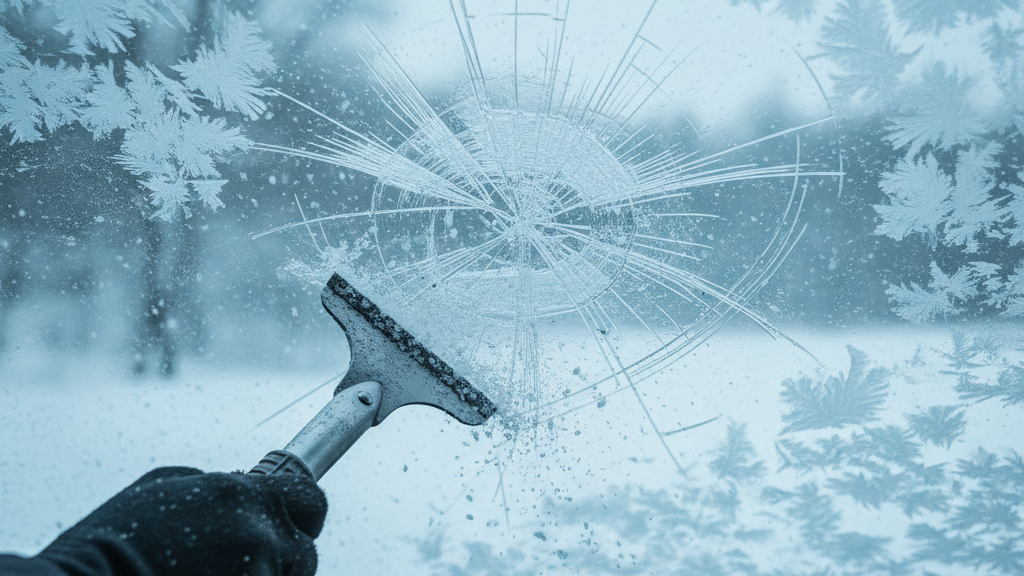
Applying hot water to a cold windshield can lead to significant damage. This common mistake often results in cracks or shattering due to the rapid temperature change. Many drivers overlook the importance of allowing their BMW X5 to thaw naturally. Taking the time to properly defrost windshields is crucial for maintaining the vehicle’s integrity.
It’s not just the front windshield that can suffer from this error; mirrors and other glass surfaces can also be affected. Using hot water as a quick fix may seem tempting, but it can worsen the situation. Understanding these defrosting windshield mistakes helps drivers adopt safer methods for clearing ice and frost. Proper preparation ensures a clearer view and enhances safety on the road.
Five Mistakes to Avoid While Defrosting Your Windshield
One common oversight during winter is ignoring the importance of windshield wipers while tackling defrosting windshield mistakes. Using wipers on a frosted windshield can lead to damage if the rubber is frozen or the glass is still icy. Clearing accumulated snow and ice is equally vital, as neglecting these steps can obstruct visibility and create hazardous driving conditions. A simple windshield cover can prevent severe frost build-up overnight, saving time during the morning scramble. Avoiding these mistakes ensures a clear windshield and promotes safer driving experiences on wintry roads. By keeping these tips in mind, drivers can effectively manage frozen windshields and enhance their overall vehicle performance.
Ignoring the Use of Windshield Wipers
Neglecting to use windshield wipers while defrosting can lead to significant visibility issues. Windshield wipers are essential for clearing away melted ice and snow from the glass after defrosting. This oversight is one of the common defrosting windshield mistakes that many drivers make. Utilizing tools like car scrapers or a frostguard windshield cover can help manage ice buildup, but once the frost thaws, wipers play a crucial role in maintaining a clear view.
Using the right window defroster settings is important so that melting ice does not hinder visibility. After utilizing defrosting techniques, it’s vital to engage the wipers to remove any residual moisture. Failing to do so can result in streaks and smudges, leading to unsafe driving conditions. Being mindful of proper windshield care during the defrosting process can help prevent these defrosting windshield mistakes and enhance overall safety on the road.
| Issue | Description | Impact |
|---|---|---|
| Visibility Problems | Failing to use wipers can lead to smudged views. | Increased risk of accidents due to impaired sight. |
| Streaking on Glass | Residual moisture can cause streaks. | Distracting driving experience, obscuring vision. |
| Ice Build-up | Neglecting wipers allows ice residue to linger. | Reduced effectiveness of defrosters and increased safety risks. |
| Increased Maintenance | Ignoring wipers leads to faster wear and tear. | More frequent windshield wiper replacements needed. |
Failing to Clear Snow and Ice Accumulation
Accumulated snow and ice on your vehicle can severely hinder visibility. This oversight is one of the most common defrosting windshield mistakes drivers make. Before starting the defrosting process, it is crucial to clear away any snow or ice from the car windows. Failing to do this can lead to poor visibility while driving, making it dangerous for both the driver and other road users.
Not only is it important to remove the buildup from the front windshield, but the rear defogger should also be considered. Ice and snow obstructing the rear window can create significant blind spots, increasing the likelihood of accidents. Ensuring that both the front defrost and rear defogger are effectively used after clearing the glass will enhance overall safety on the road. Avoiding these critical mistakes can significantly improve your defrosting strategy this winter.
Best Practices for Efficient Defrosting
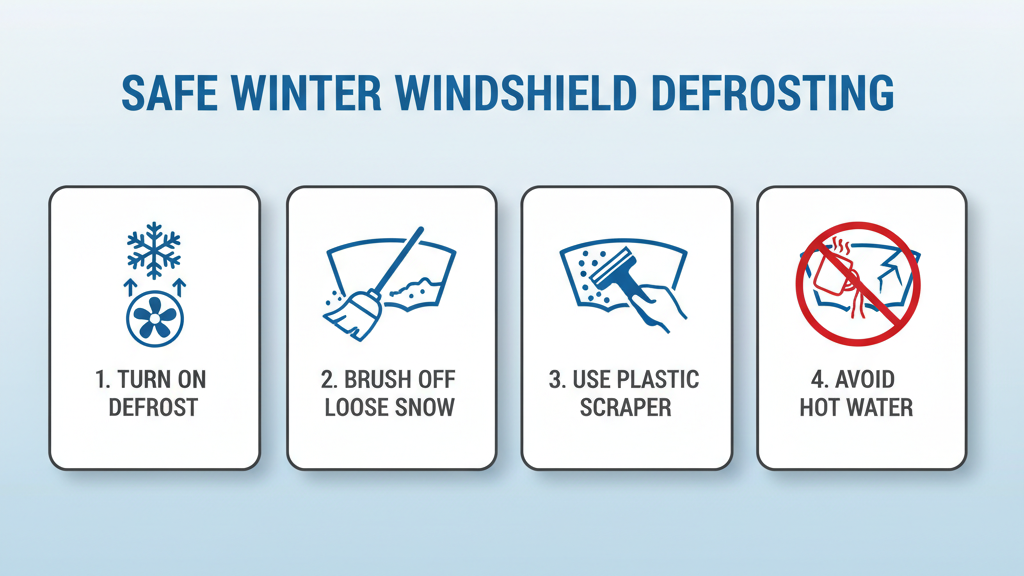
Efficient defrosting requires awareness of common defrosting windshield mistakes and implementing best practices. Utilizing the vehicle’s defrost system plays a crucial role in preventing damage to glass surfaces. A proper defroster tool can help distribute warm air evenly across the windshield and rear window. Ensuring that all windows and mirrors are clear prior to driving not only enhances visibility but also minimizes the likelihood of encountering icy conditions again. By adopting these strategies, drivers can effectively avoid defrosting windshield mistakes and ensure safer travel during cold weather.
Utilizing the Vehicle’s Defrost Setting
Most drivers overlook the importance of utilizing their vehicle’s defrost setting, leading to common defrosting windshield mistakes. This setting is specifically designed to direct warm air towards the windshield and rear windows, facilitating quicker defrosting. Neglecting this feature can result in inadequate visibility, increasing the risk of accidents and the need for a collision repair center due to mishaps caused by poor winter safety.
Proper use of the defrost setting helps prevent damage to the car paint from harsh ice scrapers or hot water applications. Following winter safety tips not only enhances visibility but also promotes safer driving conditions. Ensuring that the defrost function is engaged can significantly reduce the time spent battling ice and frost, minimizing the chances of encountering defrosting windshield mistakes.
Keeping Windows and Mirrors Clear
Clear visibility is crucial for safe driving, especially in winter conditions. Neglecting to remove obstacles such as ice and snow from your windows and mirrors can lead to serious defrosting windshield mistakes. Drivers may overlook this step, risking collisions caused by impaired vision. Ensuring your windows and mirrors are free from obstructions enhances safety and promotes responsible driving practices. For those driving ice-covered cars, a thorough check can make all the difference.
Utilizing your vehicle’s defroster can help eliminate frost, but it doesn’t replace the need for physical clearing of ice and snow. Many assume that activating the defroster is sufficient, but this can lead to a false sense of security. Ice-covered cars require proactive measures to ensure complete visibility. Tully BMW emphasizes the importance of this practice, reminding drivers that clear windows and mirrors significantly reduce the risk of accidents caused by defrosting windshield mistakes.
- Regularly check weather conditions and prepare your vehicle accordingly.
- Use a good-quality ice scraper to remove ice and snow effectively.
- Keep your car’s defroster in good working condition for optimal performance.
- Consider using windshield cover products to prevent ice buildup.
- Always do a walk-around of your vehicle before driving to check for obstructions.
- Use antifogging sprays on your windows to maintain clarity during cold weather.
- Never drive with a partially cleared windshield or mirrors; take the time to ensure full visibility.
Conclusion
Understanding common defrosting windshield mistakes is essential for safe driving, especially during winter months. Many drivers overlook the importance of starting the engine before defrosting, which can lead to inefficient ice removal and increased visibility issues in traffic. Applying hot water directly to cold glass may cause cracking, further complicating the situation. Owners of pre-owned BMW models should be particularly attentive to maintaining their car heaters, as a properly functioning heater is crucial for effective defrosting. Using windshield wipers can also aid in clearing away remaining frost but should be done cautiously to avoid damaging the blades. By avoiding these common pitfalls, drivers can ensure a clearer and safer driving experience.
FAQS
What are common mistakes people make when trying to defrost windshields in their vehicles?
Common mistakes when attempting to defrost windshields in vehicles include using hot water, which can crack the glass, and not clearing snow from the vehicle roof before starting, leading to additional snow on the windshields of sedans. For optimal results while defrosting windshields, consider consulting Tully BMW for recommended practices and tips.
How can I avoid mistakes while defrosting the windshield of my Tulley BMW?
To avoid mistakes while defrosting the windshield of your Tulley BMW, make sure you use the vehicle’s defrost setting, start the engine first to allow the heater to warm up, and never pour hot water directly on the glass, as this can cause it to crack.
What techniques can I use to effectively defrost my windshield without making common mistakes?
To effectively defrost your windshield without common mistakes, start by using your vehicle’s defrost setting to direct warm air towards the glass. Additionally, ensure your windshield wipers are in good condition to avoid any ice-related issues. Using a scraper designed for ice removal can prevent scratches on the glass, while employing a de-icing spray can expedite the defrosting process. Lastly, keeping your windshield free of snow and ice buildup beforehand will make future defrosting easier.
What should I consider to prevent defrosting windshield mistakes during winter driving conditions?
To prevent defrosting windshield mistakes during winter driving conditions, ensure you start your vehicle and allow the heater to warm up before attempting to defrost. Use the defrost setting on your vehicle’s climate control system, and clear away any snow or ice from the wipers and mirrors to improve visibility.
What tips can I follow to effectively defrost my windshield in the winter?
To effectively defrost your windshield in the winter, ensure you start the engine and turn on the defroster as soon as you enter your vehicle. Additionally, use a clean and soft ice scraper to remove any ice accumulation, and consider using a winter windshield washer fluid to help clear away any remaining frost. It’s also advisable to keep your windshield wipers clear to prevent them from freezing to the glass.